
Doha Ranks as the Most Polluted City in the World
Doha has recently been ranked as the most polluted major city globally. Discover the reasons behind the rising air pollution, its health effects, and possible solutions for a cleaner future
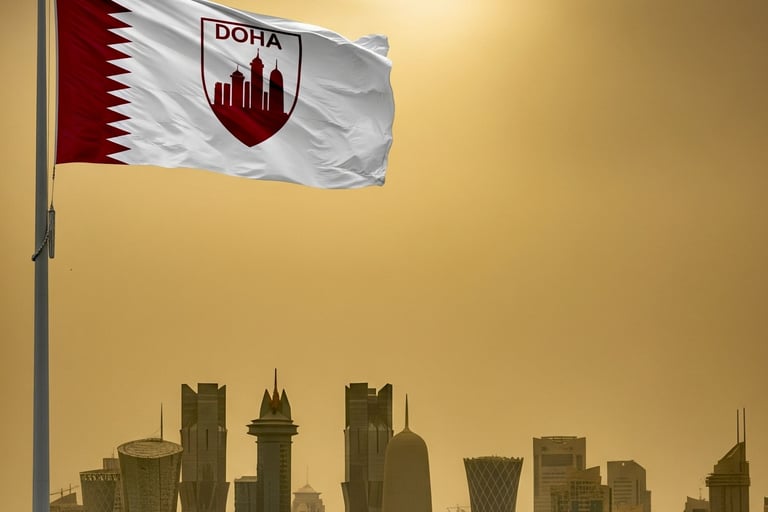
Doha, the capital of Qatar, has recently gained global attention—but not for its futuristic skyline or rapid economic growth. Instead, the city has been ranked as the most polluted major city in the world, raising concerns among environmentalists, policymakers, and residents. This development highlights the urgent need to address the city’s deteriorating air quality, which is now considered a serious threat to public health, sustainability, and long-term economic development.
Why Doha is Struggling with Air Pollution
Several interconnected factors have contributed to Doha’s rise to the top of the world’s pollution charts:
Dust Storms and Natural Geography
Doha is located in a desert region where dust and sandstorms are frequent. These storms release massive amounts of particulate matter (PM2.5 and PM10) into the atmosphere, significantly reducing air quality. Unlike many other cities, this natural element makes the situation harder to control.Industrial Activities and Construction Boom
Qatar’s rapid urban expansion has led to continuous construction projects, oil and gas extraction, and industrial activities. The heavy use of diesel-powered machinery contributes to both air pollution and greenhouse gas emissions.Traffic and Transportation
Doha has a high vehicle-to-population ratio, with thousands of cars running daily. Many older vehicles lack modern emission-control technology, making transportation one of the largest contributors to nitrogen dioxide (NO₂) and carbon monoxide (CO) levels in the city.Climate Conditions
The region’s hot and dry climate traps pollutants closer to the ground. This makes it difficult for harmful particles to disperse, worsening the air quality index.
The Impact on Health and Daily Life
The rise in air pollution has already started to affect the health and lifestyle of Doha’s residents:
Respiratory Diseases: Increasing cases of asthma, bronchitis, and other lung conditions are being reported, especially among children and the elderly.
Cardiovascular Risks: Long-term exposure to high PM2.5 levels increases the risk of heart attacks and strokes.
Reduced Outdoor Activities: Sports enthusiasts, joggers, and outdoor workers often face restrictions on physical activities due to unhealthy air quality levels.
Economic Costs: The healthcare burden linked to pollution-related diseases continues to grow, adding pressure to Qatar’s medical infrastructure.
Global Comparison
While other cities such as Lahore, Delhi, and Beijing have long struggled with pollution, Doha’s sudden rise as the most polluted city shows how environmental challenges can intensify rapidly in modern urban centers. Unlike South Asian cities, where crop burning and industrial emissions dominate, Doha’s unique mix of desert dust and urbanization creates a complex air quality crisis.


My post content